Understanding Energy's Role in Global Geopolitics

Energy is not just a commodity; it is a powerful tool that shapes the dynamics of global politics. As nations vie for resources, the quest for energy security becomes a pivotal aspect of international relations. In this blog post, we will explore how energy influences geopolitical strategies, the implications of energy dependence, and the emerging trends that are reshaping the energy landscape.

The Intersection of Energy and Geopolitics
Energy resources, particularly fossil fuels, have long been at the heart of geopolitical strategies. Countries rich in oil and gas reserves often find themselves in positions of power, while those lacking these resources may struggle to assert their influence. This dynamic creates a complex web of alliances and conflicts.
Historical Context
Historically, energy resources have been a catalyst for conflict. The 1973 oil crisis, for example, highlighted how oil-producing nations could leverage their resources to exert political pressure. The embargo imposed by OPEC nations led to economic turmoil in the West and underscored the vulnerability of countries reliant on foreign oil.
Current Geopolitical Landscape
Today, the geopolitical landscape is shaped by several key factors:
Resource Distribution: Countries like Saudi Arabia, Russia, and the United States hold significant energy reserves, giving them leverage in international negotiations.
Energy Security: Nations are increasingly focused on securing stable energy supplies to protect their economies and maintain national security.
Climate Change: The global shift towards renewable energy sources is altering traditional power dynamics, as countries invest in new technologies and seek to reduce their carbon footprints.
Energy Dependence and Its Consequences
Dependence on foreign energy sources can have profound implications for a nation's foreign policy. Countries that rely heavily on imports may find themselves vulnerable to supply disruptions or price fluctuations.
Case Study: Europe and Russian Gas
Europe's dependence on Russian natural gas has been a significant concern for many years. The 2014 annexation of Crimea by Russia raised alarms about energy security in Europe, prompting countries to seek alternatives. The Nord Stream 2 pipeline project, aimed at increasing gas supplies from Russia to Germany, has been a contentious issue, illustrating the delicate balance between energy needs and geopolitical considerations.
The United States: A Shift in Energy Independence
In contrast, the United States has made significant strides towards energy independence in recent years, primarily through the development of shale oil and gas. This shift has allowed the U.S. to reduce its reliance on foreign energy sources and assert itself as a major player in global energy markets.
The Role of Renewable Energy in Geopolitics
As the world grapples with climate change, renewable energy sources are becoming increasingly important in geopolitical discussions. Countries that lead in renewable technology may gain a competitive edge in the global economy.
Emerging Leaders in Renewable Energy
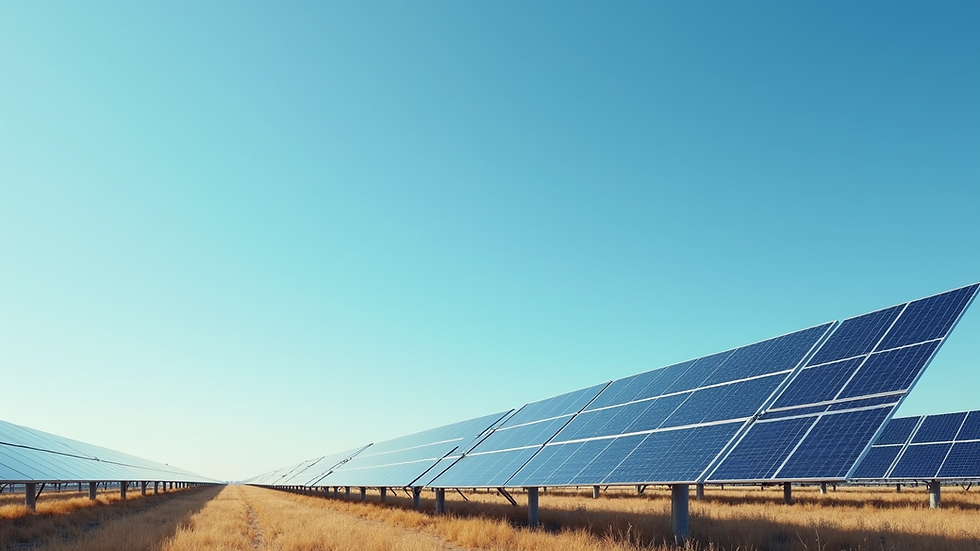
China: As the largest producer of solar panels and wind turbines, China is positioning itself as a leader in the renewable energy sector. This dominance not only enhances its economic standing but also allows it to exert influence over global energy policies.
Germany: With its ambitious Energiewende (energy transition) policy, Germany is striving to reduce its carbon emissions and increase the share of renewables in its energy mix. This commitment has made Germany a key player in international climate negotiations.
The Geopolitical Implications of Renewables
The transition to renewable energy sources is reshaping traditional power dynamics. Countries that invest in clean energy technologies may find new opportunities for collaboration and influence. For instance, nations rich in rare earth minerals, essential for renewable technologies, could become critical players in the global energy landscape.
The Future of Energy and Geopolitics
As we look to the future, several trends are likely to shape the relationship between energy and geopolitics:
Decentralization of Energy Production
The rise of decentralized energy systems, such as microgrids and community solar projects, could empower local communities and reduce reliance on centralized energy sources. This shift may lead to a more equitable distribution of energy resources and alter traditional power structures.
Technological Innovations
Advancements in energy storage, smart grids, and carbon capture technologies will play a crucial role in the transition to a sustainable energy future. Countries that invest in these innovations may gain a competitive advantage in the global market.
Geopolitical Tensions
Despite the potential for collaboration, geopolitical tensions are likely to persist. Competition for resources, particularly in regions like the South China Sea, will continue to drive conflicts. Additionally, as countries transition to renewable energy, the geopolitical landscape may shift, leading to new alliances and rivalries.
Conclusion
Energy is a fundamental driver of global geopolitics, influencing everything from international relations to economic stability. As the world transitions to a more sustainable energy future, understanding the interplay between energy and geopolitics will be essential for navigating the complexities of international relations.
The key takeaway is that energy security remains a critical concern for nations worldwide. As countries adapt to changing energy landscapes, the strategies they employ will shape the future of global politics. Engaging in discussions about energy policies, investing in renewable technologies, and fostering international cooperation will be vital for addressing the challenges ahead.
By staying informed and proactive, individuals and nations alike can contribute to a more sustainable and secure energy future.

Comments